Forest-rich playgrounds: greater variety in some skin bacteria
At four Finnish day-care centers with forest soil and lawn, a signal involved in regulating immune defenses also rose in the children.
childhood microbiome natureSwap doomscrolling for a question worth exploring. 200 readings with a study's findings, its limits and its source in view.
200 readings available
At four Finnish day-care centers with forest soil and lawn, a signal involved in regulating immune defenses also rose in the children.
childhood microbiome nature
Among women meeting for the first time, a better first impression went with more synchronized walking. The same pattern did not appear among men.
body language first impressions social interaction
Across 19 publications and more than 2,300 people, breaks brought a little more energy, but overall performance did not improve.
breaks fatigue performance
More than 11,000 people used a French-language app to report how they felt at random times. Joy, love, and anxiety were among the most frequent emotions.
emotions well-being everyday experience
People who wrote about someone who helped them felt more moved and connected, and also more indebted. Guilt was less consistent.
gratitude help reciprocity
Twenty-five students viewed unpleasant photos. Both strategies reduced negative emotion, while pupils dilated more during reappraisal.
emotion regulation attention laboratory
People who made their tasks more interesting reported greater motivation in the area that mattered most to them, in a Danish survey. The association did not hold in another survey.
motivation tasks autonomy
More than 2,500 people in Germany reported how much they procrastinated. Younger people did so more, and the survey cannot show what causes what.
procrastination stress life satisfaction
Students searched for letters on a screen while phone-like or control tones played. There were no more errors, but a brain signal changed.
notifications attention brain activity
Among 101 iPhone users, social media and gaming use went along with choosing a smaller immediate reward. Total screen time did not.
phone use social media rewards
People who were confident in their opinion opened more like-minded texts in a simulated search about psychotherapy. In the end, learning was similar.
confirmation bias information seeking opinions
Interpersonal harm attracted more choices than neutral scenes in three experiments using image pairs. Isolated injuries and dangerous animals did not.
attention curiosity interpersonal conflict
Among 929 students, pessimism was weakly associated with imagining a change controlled by others. Optimism did not show the reverse pattern.
optimism pessimism expectations
After a text about firefighters was identified as invented, some of its impression remained. Reading prepared counterarguments reduced it the most.
misinformation beliefs counterarguments
Of 28 people who reached the second sleep stage, 24 found the rule; among 18 who stayed awake, 10 did.
sleep implicit learning memory
After learning 50 images in sequence, brain activity revealed the next image’s category. Nap rhythms were associated with that signal.
nap memory brain activity
In 26 well-rested adults, slow waves appeared before mind wandering or blanking out; their locations coincided with different errors.
attention mind wandering slow waves
Future scenes felt more vivid with rewarded words than with new words. With neutral words, the difference was smaller.
napping memory brain activity
Using chess, text, and drawings, the models filled in missing details with what they had learned. This was a simulation, with no new participants.
computational models memory artificial intelligence
In three online experiments, a larger reward did not appear to improve memory for a figure’s orientation. Remembering more figures did make it harder.
visual memory incentives attention
People who set their own sequence repeated the same concept 64% of the time; only in that group was repetition associated with a slightly better score.
practice study strategies statistics
In a statistics course, each student tried both approaches in randomized order; the final advantage was two or three percentage points.
peer assessment higher education statistics
A tablet tracked the strokes of 853 first graders: pauses and changes in speed mattered more than how hard they pressed.
handwriting childhood fine motor skills
Among 42 physical therapy students randomly assigned to one section or the other, average scores were similar. Students in the flipped class felt more confident.
flipped classroom higher education review
A year later, participants who received the plan in London walked over 600 extra steps per day. Nurse support had no advantage over mail.
physical activity walking public health
In a 30-adult pilot, the standard sensor counted about 13 extra stand-ups; detailed counting in a subgroup found about 40.
sedentary behavior movement habits
Among 97 older adults with walking difficulty, those in the routine improved more on chair rises and balance. Six had discomfort or injuries.
older adults mobility balance
By self-report, there were 29% fewer days absent. No difference was observed on days participants felt ill.
cold water habits workplace health
Across ten workplace cafeterias in England, the average barely moved. By site: four decreased, one increased, and five showed no difference.
labeling food purchasing decisions
Over two weeks, young adults who ate little fruit reported more vitality when food was delivered directly. With messages and a voucher, they ate more but did not show this change.
nutrition young adults well-being
Fifty healthy men used to drinking coffee had each drink for three days: body water and urine were similar. Coffee produced more urinary sodium.
coffee hydration nutrition
In Mexico, total sales after the tax exceeded the prior average. Adjusting for population and the economy, the model estimated a per-person decrease.
taxes sugary drinks public policy
In rural Bangladesh households where both hands were washed before cooking, children had less diarrhea. Researchers observed practices; they did not assign them.
handwashing childhood public health
Vaccination was slightly higher among families sent SMS reminders, but the difference was not clear when all randomized families were analyzed.
vaccination SMS messages families
No clear difference was seen with self-help materials. By strategy, 44 trials (over 30,000 people) were combined, and results varied greatly.
salt blood pressure prevention
Forensic experts, super-recognizers, and neural networks performed similarly on average, but each group made different mistakes.
facial recognition artificial intelligence identification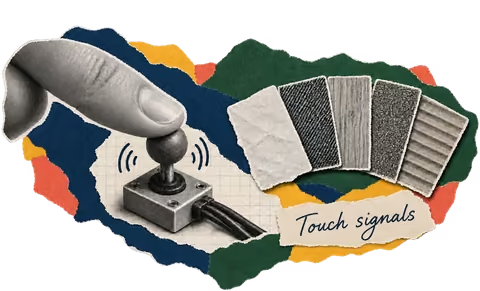
One piece with a magnet and coil pushes and vibrates. Ten people distinguished five textures in about 97% of trials.
touchscreens haptics accessibility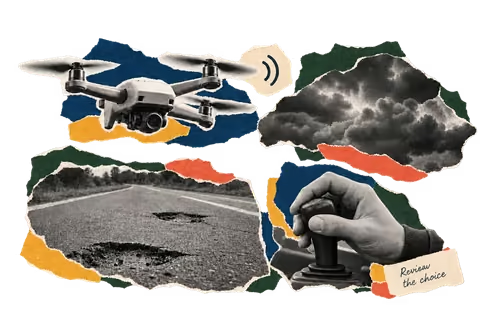
With a simulated drone that failed more often, people given a verbal warning manually checked 63% of the time; without a warning, 22%.
drones automation human oversight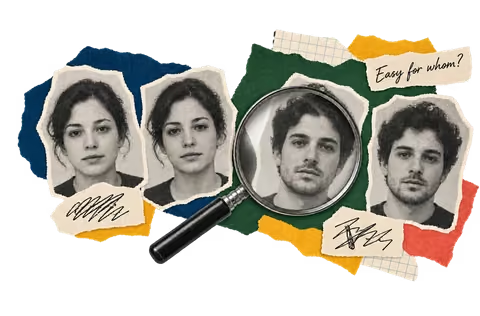
In 42,000 responses in a 2014 study, people were correct about 94%, but blending faces heavily with the background reduced human accuracy.
CAPTCHA facial recognition digital security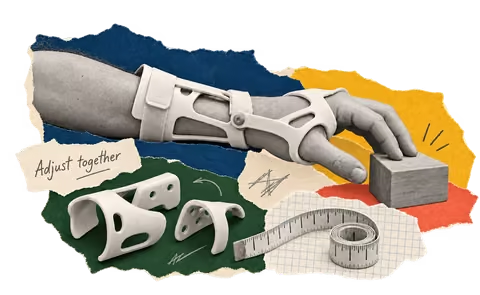
Among three people with spinal cord injuries, one task showed more blocks transferred in a minute. Other tasks had mixed results.
3D printing rehabilitation spinal cord injury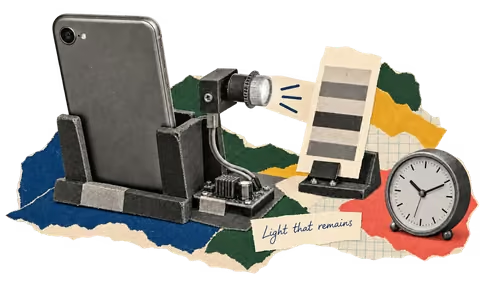
Bands created by the camera reading the image row by row made it possible to separate materials that stopped glowing quickly from those that persisted.
cameras sensors materials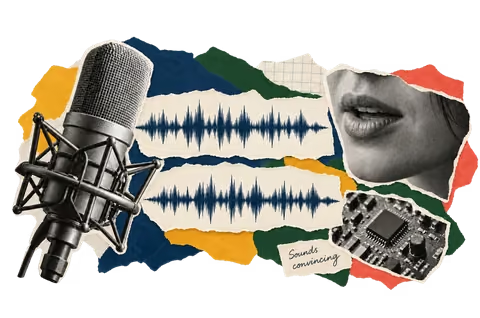
Listening to each clip alone, 529 people identified 73% of fake voices. Hearing paired versions of the same sentence raised that figure to about 86%.
speech synthesis audio deepfake detection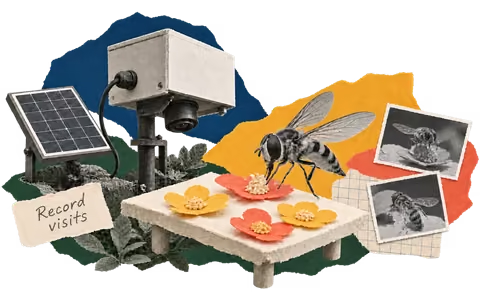
Five cameras recorded insects in German meadows. A computer classified hoverflies well, but beetles and true bugs less well.
insects biodiversity monitoring
Twelve people read for over an hour on three media. They blinked less on the bright screen, and fatigue rose clearly only there.
reading visual fatigue screens
In a survey of 1,002 Dutch workers, those satisfied with their chair, equipment, and Wi-Fi also said they felt more productive.
remote work productivity work environment
In a laboratory game, the average contribution was nine units under less inequality and five under more. Outsiders preferred proportional contributions.
inequality cooperation distributive justice
Among 865 students in Switzerland, men expected salaries nearly 10% higher at graduation. These were expectations, not wages received.
gender pay gap students career expectations
With four options containing four numbers each, accuracy was about 77% this way and 49% when comparing one attribute across all options. With two options, there was no clear difference.
decision-making comparison cognitive strategies
Business students who recalled when being a woman and a professional went together made higher offers in a hypothetical sale, but not in a salary negotiation.
negotiation gender salaries
Before May 2020, names perceived as White received more responses. In the following six weeks, the pattern reversed, with weak evidence.
discrimination employment race
With randomly assigned seats in rural Hungarian schools, mutual friendship rose from just over 15% to just over 22%.
friendship school relationships seating
Study-created profiles with references describing help received more immediate yeses on an online hospitality network. Neutral praise drew fewer acceptances.
hospitality reputation helping
Most people who answered the phone in three Tunis neighborhoods said they would attend, but about 3% of recruited households showed up.
civic participation neighborhoods volunteering
Time-use diaries from ten industrialized countries. In Italy, women spent 226 minutes a day and men 50; in Finland, the figures were 163 and 110.
domestic work gender time use
The estimated response probability was 16% with an Arabic male name and 42% with a Finnish female name, across 800 listings in Finland.
renting discrimination housing
A U.S. estimate found that producing discarded food required less land but more water and pesticides.
food waste water sustainability
In Paris, beetles, large solitary bees, and bumblebees visited flowers less where more hives were nearby.
pollinators biodiversity cities
Speakers played healthy-reef sounds over dead coral. After 40 days, those patches had more fish and more species.
reefs fish ecological restoration
A global estimate found that 92% of microfibers estimated to reach land traveled in treatment-plant sludge.
microplastics textiles pollution
The tool combines temperature, vulnerability, and space for trees. In Boston, one map was not enough.
urban heat islands urban trees social vulnerability
Asia had the largest share of potential, followed by North America and Europe, with differences across months.
solar energy rooftops energy potential
Over 78 days, curtailed turbines generated 5% to 15% less electricity. With wind-only curtailment, even a reduction in deaths remained uncertain.
wind energy bats conservation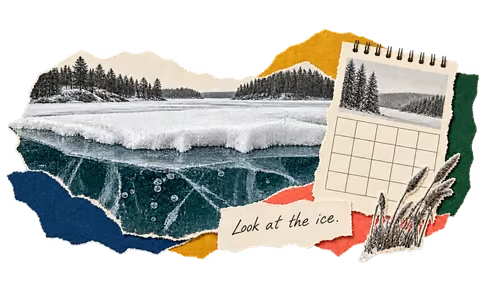
In simulations with 4°C more warming, waiting for usable thickness took nearly 20 extra days with white ice and about three with black ice, relative to historical black ice.
climate change lake ice safety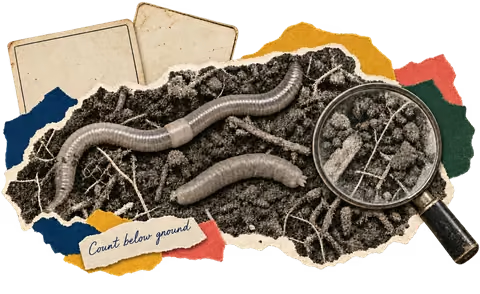
Combining more than 100 studies, the decline appeared for earthworms, especially in forests and farmland, but not for cranefly larvae.
earthworms soils biodiversity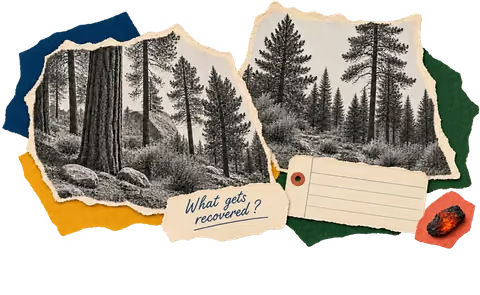
In simulations of dry forests in Oregon, moderate-severity fire came closest to historical tree abundance. Species composition did not.
wildfires forests ecology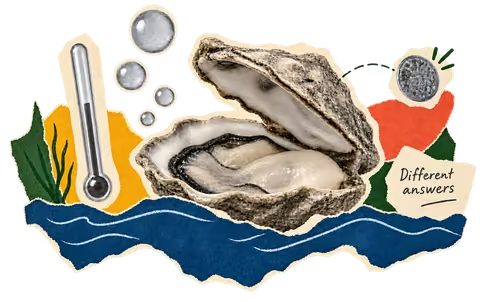
Young oysters from a Chilean estuary were studied for two months. Estimated energy available for growth did not differ between treatments.
oysters ocean warming carbon dioxide
The review covered eating and health habits, with estimates that varied by behavior and person.
habits health behavior systematic review editorial-selection
Psychology undergraduates applied concepts to new topics one week later: 64% answered correctly after practice, compared with 40% after rereading alone.
learning questions rereading retrieval practice editorial-selection
Among 293 writers and 600 evaluators, the improvement was greater for those who started with lower scores on a creativity test.
artificial intelligence creativity diversity GPT-4 editorial-selection
With schools randomly assigned, the program also combined reading and writing: 30% wrote an original sentence, versus 10% in the other group.
early literacy writing executive function
Twelve Danish schools were randomly assigned: after nine months, improvement was greater in math. No change was seen in mental control, aerobic fitness, or weight.
active learning primary education cluster randomized trial
The clearest signal appeared in pattern recognition. There was no firm evidence of improvement on other tests.
learning transfer mathematics primary education
In California middle schools, the average student in classes taking the course scored higher than 63% of the group scheduled to receive it later.
digital education growth mindset secondary math
Progress was not the same in Belgium and Finland. In the Belgian sample, children who did better in the game also read more fluently.
reading phonological awareness adaptive assessment
In Canadian classrooms, the clear advantage appeared in connecting letters and sounds. Results on other measures were less firm.
early reading school trial digital intervention
Scores increased with the program; no improvement was seen with usual instruction. The initial gap was no longer detectable only with the 30-week program.
early childhood education notation language intervention
Reading was reassessed for 2,700 children from early-childhood centers randomly assigned to three programs or none. No difference was seen in second grade.
longitudinal follow-up early education randomized trial
In Swiss secondary schools, teacher training with questions, discussion, and follow-up outperformed frequent questions alone and usual instruction. The advantage remained after three months.
secondary school science concepts classroom assessment
Medical students answered correctly more often with explanations (56% and 59%) than with a mark (51%). With new questions, neither explanation was better.
retrieval practice medical education transfer
Average grades for more than 15,000 university students in Hungary did not improve. In a voluntary survey, confidence rose slightly.
field experiment university preregistered experiment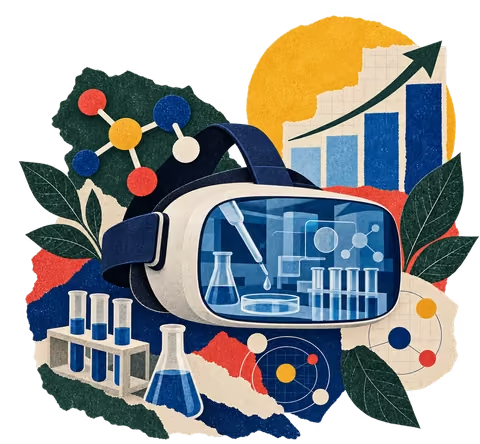
Most participants were health-science and biomedical-engineering students who described their virtual-reality experience: motivation, willingness to repeat it, and eye discomfort.
virtual reality university education science lab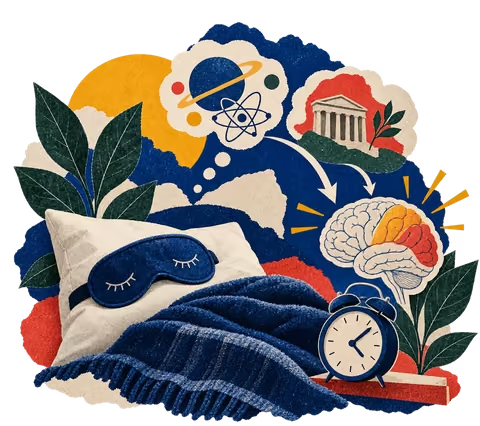
Fifth-graders had a chance to sleep after science or history lessons. No difference in recall was seen after short naps.
declarative memory science history primary education
With the same total opportunity to sleep, adolescents ages 15 to 19 recognized previously seen images better when sleep was split between night and a nap.
episodic memory secondary education experimental design
Across 29 trials with 2,722 health students, satisfaction, confidence, and engagement tended to be rated more highly with immersive technology.
systematic review medical education nursing immersive technology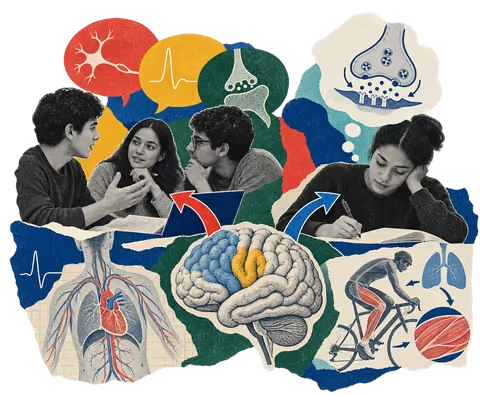
This occurred in first-year medical seminars, compared with students who explained answers on their own. No advantage was seen on very different problems.
collaborative learning medical education transfer
In physics as a separate subject at six English schools, adding it before the usual class was associated with gains 50% to 90% greater.
secondary school science rest intervals delayed follow-up
In a short online task, a person’s own pay stayed the same. Even so, people accepted less often when group rewards were more unequal.
experimental economics; inequality; motivation; digital work
With fictional profiles, the advantage was greater in jobs where women were the majority. No difference was seen in male-majority or mixed jobs.
hiring; gender; correspondence experiments; Sweden
With fictional profiles, hybrid and remote workers trailed in-office workers for promotions and raises, with no clear difference between hybrid and remote.
remote work; promotion; wages; managerial decisions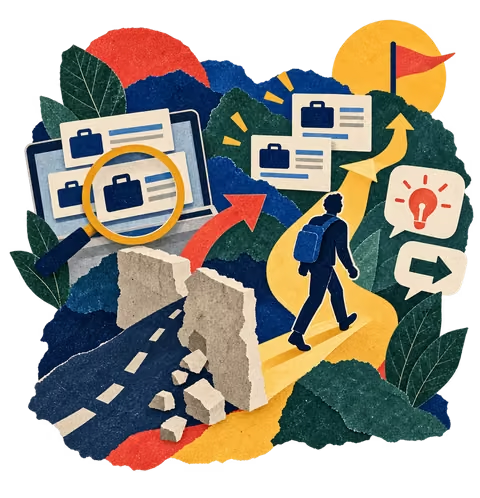
In a simulated job search, lower costs led to more effort and more pay per round. With a message, the minimum accepted was higher.
labor economics; behavioral economics; unemployment; online experiment
Students in Poland divided an imaginary lottery prize: 59% for saving when thinking about broad goals, and 43% when thinking about concrete actions.
behavioral economics; saving; self-control; experimental financial decisions
Fictional hospitality résumés with a pandemic-era gap also received lower ratings for commitment and readiness.
unemployment; stigma; hiring; COVID-19; survey experiment
For people with severe mental health conditions, employment increased, but there was no overall improvement in health or quality of life.
supported employment; meta-analysis; mental health; work inclusion; randomized trial
Among 304 adults in North Carolina, discussing risk across several areas predicted a financial task better than asking about money alone.
preferences; economic risk; DOSPERT; incentivized choice
Among 134 married couples in Vietnam, deciding together was associated with less preference for immediate rewards, but no relationship appeared for actual savings.
saving; couples; Vietnam; economic experiment; household finance
Across three tests in Poland, the earlier figure tended to shift what people said they would pay. With a possible purchase, the effect was smaller or absent.
experimental economics; prices; willingness to pay; hypothetical bias
New Zealand council members chose among hypothetical urban plans. Cultural impacts, described only in words, did not have a consistent effect.
environmental economics; public policy; decisions; New Zealand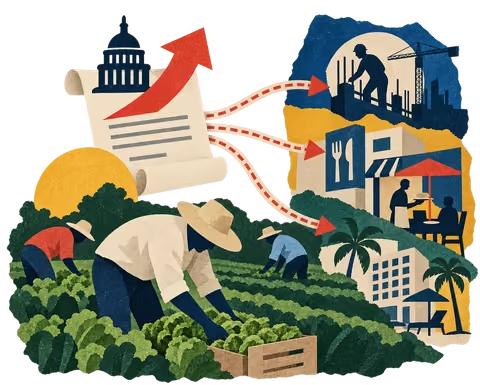
In the United States from 1990 to 2014, each 1% rise in the minimum wage was associated with about 0.4% higher hourly pay. The link was weaker in agriculture.
minimum wage; agriculture; wages; hours worked; United States
In China, from 2004 onward, that investment grew after several years in more exposed firms, but not under every measure of exposure.
labor economics; innovation; R&D; China; minimum wage; difference-in-differences
With higher pay, more workers on an online platform completed follow-up. Response quality did not improve.
crowdwork; performance pay; retention; data quality; digital work
In two lab experiments with young adults, 37 and 36 participants returned to the option they had chosen more often as rounds went on.
behavioral economics; defaults; time pressure; decisions under risk
In a German lab, those acting as managers offered just over €8 when they could keep the surplus, and just over €10 when they could not.
wages; experimental economics; management; pay fairness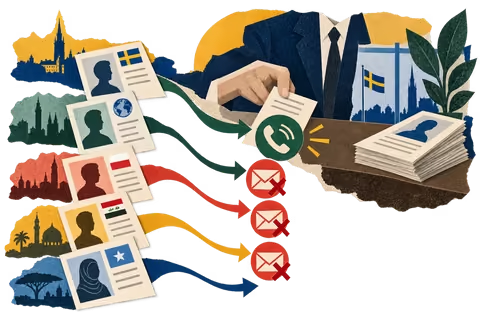
At restaurants and cafés in Sweden, fictional profiles born in the country received a positive response in 21% of cases, compared with 5% for Somali-origin profiles.
discrimination; immigration; hiring; field experiment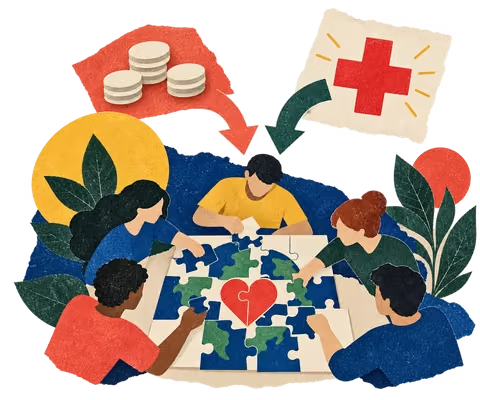
In an online game with groups of five, donation was associated with full cooperation, while pay was associated with fewer people refusing to cooperate.
cooperation; public goods; online experiment; Japan
Young Arabic speakers improved in German during an intensive course in Leipzig, while some brain connections increased and another decreased.
adult neuroplasticity languages neuroimaging white matter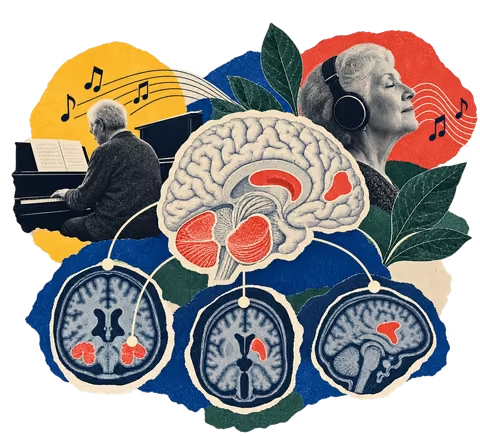
Across both groups, healthy older adults remembered tones better after six months. The brain showed local changes and a more general reduction.
healthy aging brain plasticity cerebellum music training working memory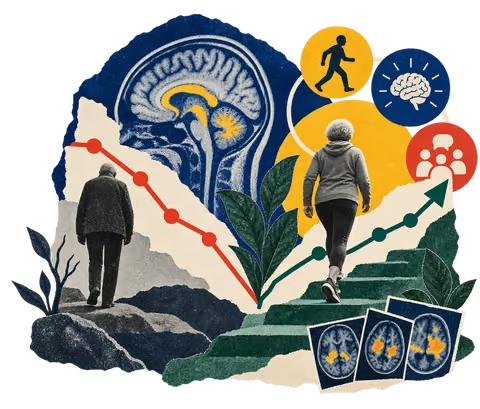
Older adults with mild cognitive impairment were randomly assigned. The program group improved on a memory-and-thinking test while the routine group declined.
aging randomized trial cerebral blood flow MRI memory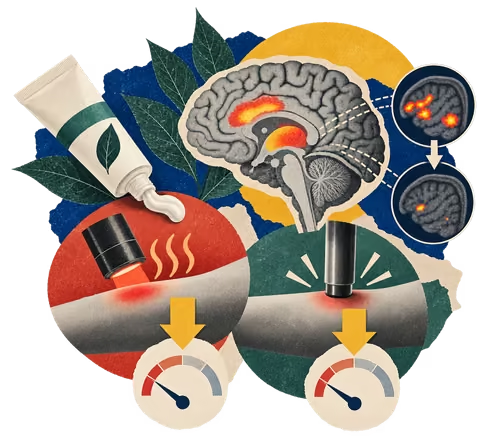
Nearly 400 people reported less pain from heat and pressure. One brain measure fell, while another, more closely tied to pain signals, did not.
pain placebo fMRI expectation neural signatures preregistration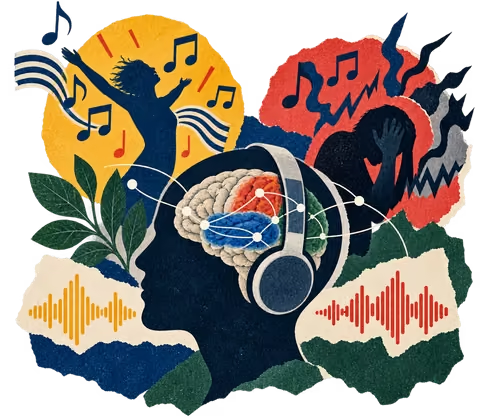
As 24 young adults listened to music in a scanner, auditory signals coincided with those from areas linked to emotion, vision, and movement.
music emotion fMRI functional connectivity brain networks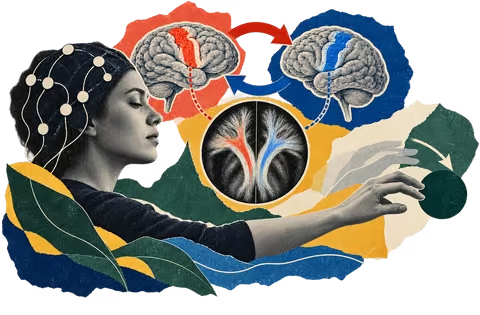
Using a visual display, 20 people tried to direct their brain signal in opposite directions. The next day, one pathway between the two sides showed a localized change.
neuroplasticity neurofeedback motor system fMRI diffusion MRI
Healthy students attending to their hearts showed responses in three parts of a brain region. With unsettling situations, the response appeared in just one.
interoception anxiety fMRI insula body awareness
Adults estimated video durations. A program that added up image changes reproduced some of those trends, but not every estimate.
time perception vision computational modeling natural scenes attention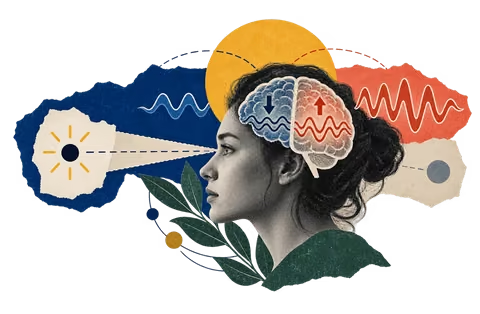
In 33 healthy adults, this rhythm coincided with size differences between the two sides of two deep brain structures.
attention MEG structural MRI alpha oscillations basal ganglia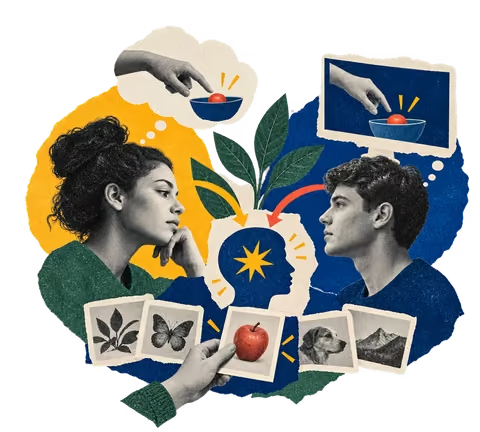
Young adults felt more certain about their memories after making a choice themselves than after watching someone else choose. Overall accuracy was similar.
reinforcement learning prediction error memory risk-taking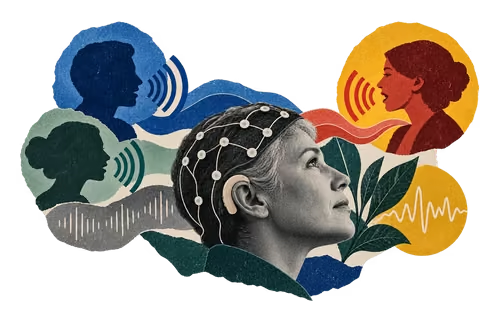
Two analyses distinguished the attended voice in 31 hearing-aid users. The newer one reduced a distortion in the coherence measure.
hearing speech in noise EEG selective attention hearing aids coherence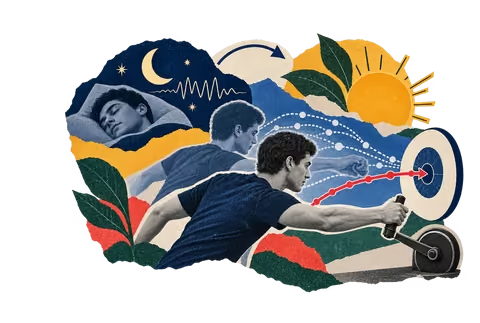
Among 48 healthy men, those who alternated conditions performed better later and with the other hand. Sleep showed no advantage over staying awake.
motor learning sleep EEG consolidation adaptation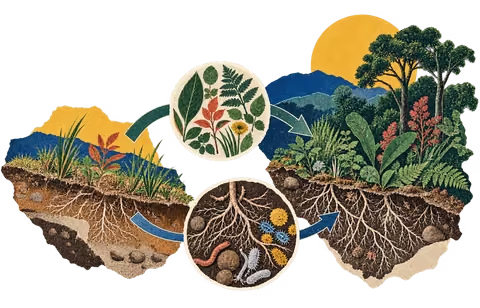
At recovering sites, species composition explained only 2% of differences in ecosystem functions. The relationship was stronger for biomass and structure.
biodiversity restoration meta-analysis vegetation soil functions
By 2050, the model estimated the smallest land share in India and the largest in Japan and South Korea; results also varied with solar’s share of electricity.
renewable energy photovoltaic panels indirect emissions land-use planning integrated models
In models of 11 western U.S. states, stronger protections kept solar and wind projects out of intact landscapes.
biodiversity habitats electricity transmission renewable energy scenarios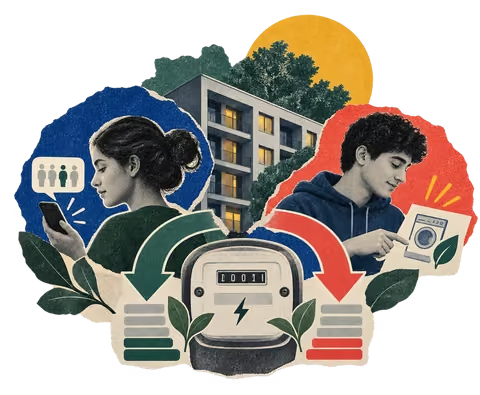
In Stockholm student housing, the seasonal increase was smaller with both messages. Among higher-use homes, the difference was clearer with practical tips.
environmental behavior household energy social norms randomized intervention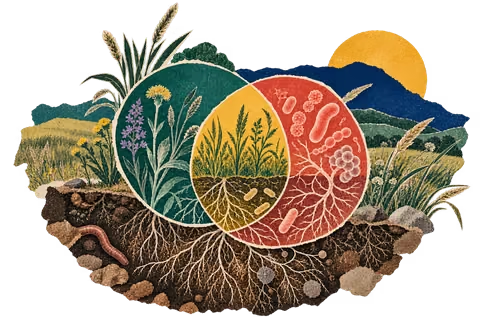
Both kinds of diversity went along with ecosystem functioning across 101 grasslands. In containers, they jointly supported production and nutrients.
soil ecology drought productivity nutrient storage experiment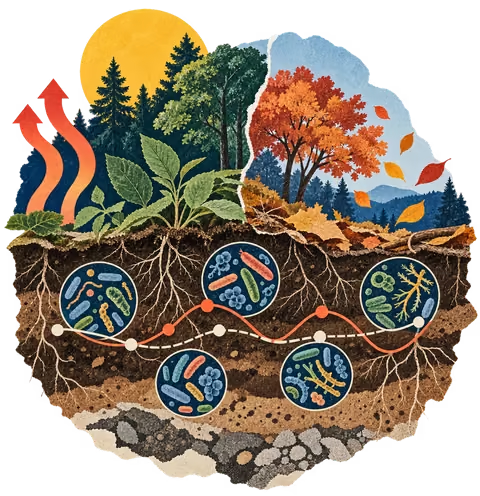
In plots warmed for years, an index of processes and nutrients was higher in fall. Warming did not detectably change it.
climate change microbiome forest soil field experiment carbon cycle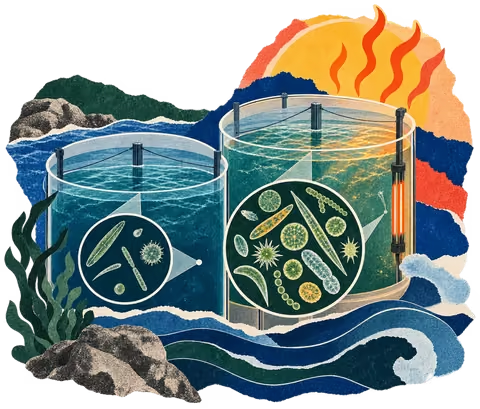
After five years in experimental ponds four degrees warmer, diversity was 67% higher and production increased. Larger types became more common.
aquatic ecosystems metacommunity temperature primary productivity experiment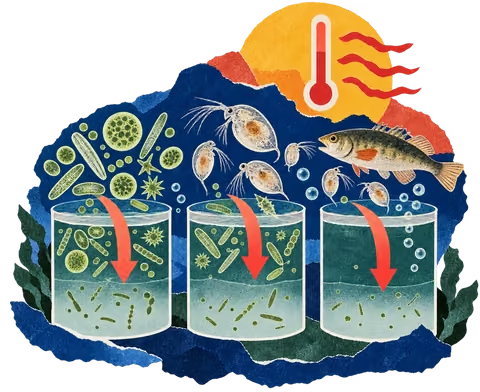
In freshwater containers, its mass fell by 85% to 95% with predators or without herbivores. The decline was smaller with herbivores and no predators.
warming phytoplankton predation metabolism microcosms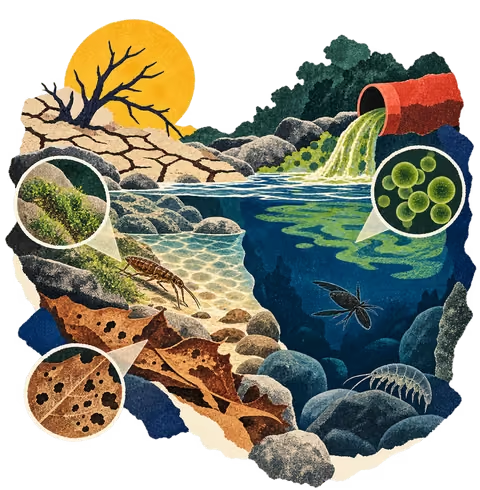
Across 28 tanks, drought affected algae, invertebrates, and leaves in shallow areas. Combined with nutrients, it increased one fish species’ survival.
freshwater biodiversity eutrophication macroinvertebrates mesocosms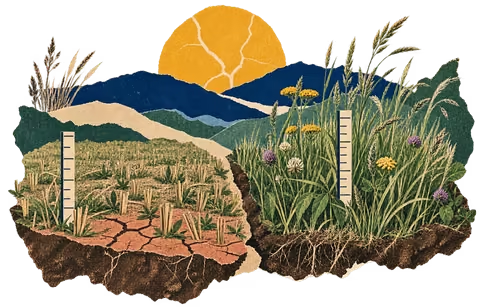
Where plots were cut four times a year, vegetation declined after drought. No decline was detected with two cuts. Species number had little effect.
restoration biodiversity agriculture drought field experiment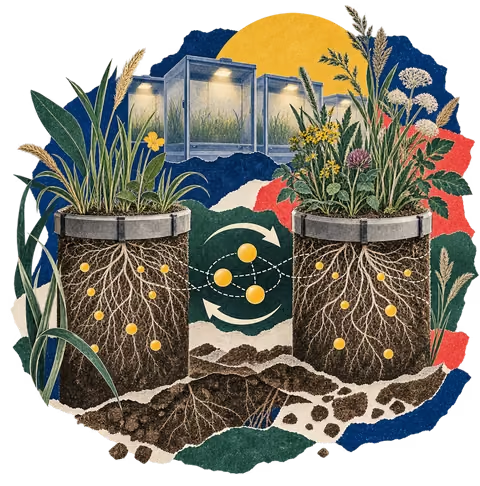
In chambers with grassland blocks, species number showed no marked differences. Carbon went along with leaf nitrogen and height.
carbon roots plant diversity Ecotron experiment Jena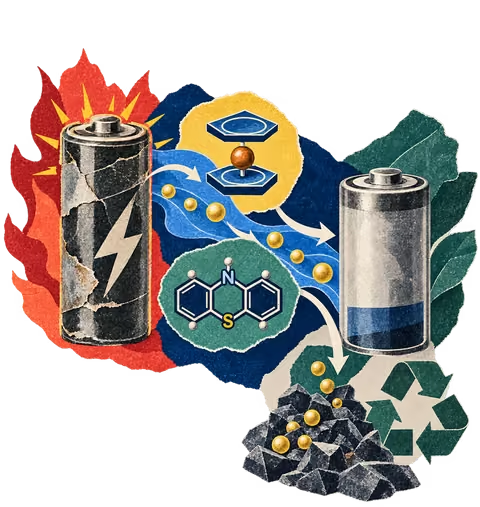
In the lab, ferrocene and phenothiazine lowered charged-cell voltage to about 0.1 V. In another test, phenothiazine mobilized deposited lithium.
critical materials recycling electrochemistry storage laboratory experiment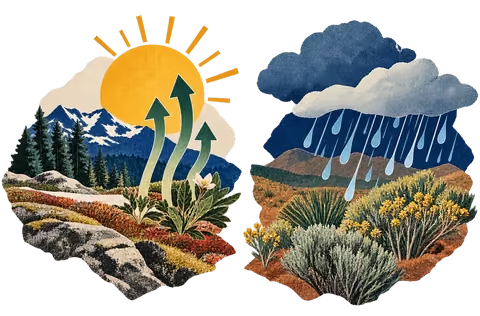
Less spring rain did not always coincide with less photosynthesis. The response depended on water availability: at many sites without strong water limitation, dry springs coincided with greater carbon uptake. The opposite pattern appeared where water was scarce.
drought carbon photosynthesis flux towers land models remote sensing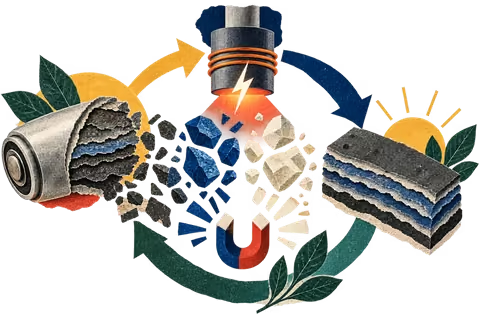
In the lab, 94% to 97% of measured metals were recovered from cathode waste. Water and energy savings came from a model.
recycling lithium cobalt nickel manganese Joule heating life cycle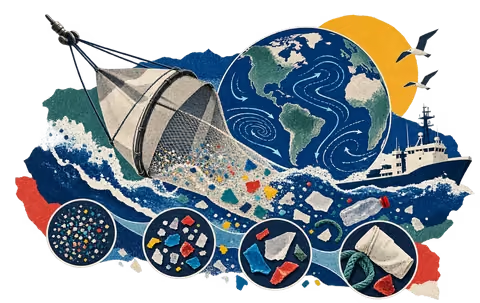
By combining samples, shipboard observations, and a model, microplastics made up 92% of pieces while large pieces accounted for 75% of the mass.
marine pollution plastics ocean sampling particle model microplastics
Among 3,205 Australian adolescents, more posting coincided with more distress and more messaging with greater well-being, measured in the same survey.
scrolling passive browsing adolescence mental health longitudinal cohort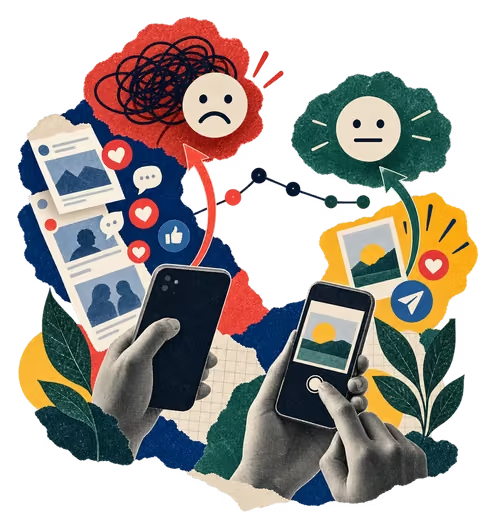
In 154 adolescents followed for two weeks, the prompt after browsing showed slightly higher negative emotion. Posting did not.
passive browsing posting experience sampling emotions adolescence
Among adults in Brazil, the difference appeared right after the lists ended. Two weeks later, it was no longer distinct from the neutral-list group.
positive psychology affect subjective happiness life satisfaction randomized trial
After solving increasingly difficult patterns, they chose fewer sectors when betting. In another test, perceived risk showed no firm difference.
locus of control decisions risk aversion behavioral experiment
The apology mattered more when the new relationship seemed less valuable, in an online scenario involving 971 adults.
forgiveness relationship repair preregistered experiment social behavior
Among 200 adults in Germany, neither format had an advantage. Without a no-support group, it is unclear how much of the decrease was due to the support.
self-criticism stress self-help digital intervention bibliotherapy
Among 50 healthy adults, those who said they slept well rated negative emotions in their dreams as more intense. Among those who slept worse, the two were more evenly matched.
dreams affect sleep self-report individual differences
Among more than a thousand participants, those who intentionally helped others ended with well-being similar to that of the others.
altruism anxiety depression well-being Registered Report
Twenty-four of 30 people with complex anxiety or depression attended at least the program’s minimum number of meetings. This was a pilot trial of 40 adults.
loneliness social connection community service feasibility study
At age five, behavior and parenting improved slightly. The main analysis found no language advantage, although small signals appeared among complete cases.
child development home visiting parenting maternal well-being longitudinal follow-up
Of 129 students, those who used the cushion or listened to a meditation reported less anxiety before a simulated exam than the others.
situational anxiety exam breathing haptic prototype students
Adults in Germany reported whether they compared themselves with others, their past, or an ideal. Whether they felt better or worse off mattered more than the reference.
body image social comparison self-perception well-being psychological scale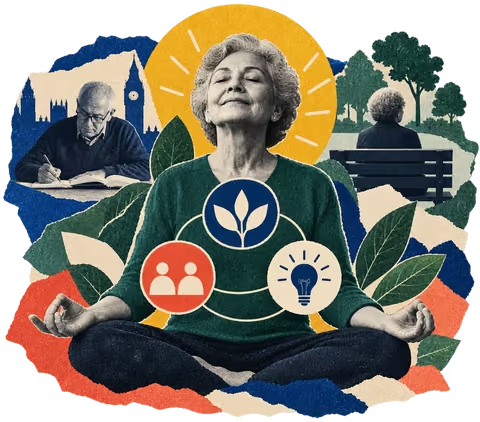
Among 134 healthy older adults, mindfulness improved compared with both groups, and connection only compared with English classes. Overall well-being showed no difference.
healthy aging mindfulness compassion well-being randomized trial
Only 52 of 554 health workers in Chicago finished the course. Without random assignment, those 52 showed a greater change in positive emotions.
emotion regulation burnout resilience digital intervention health workers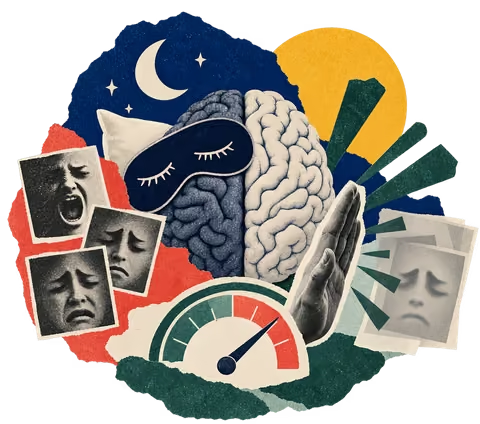
In a lab, 60 adults stayed awake overnight or rested. The difference disappeared after accounting for mood and sleepiness.
emotion regulation attention affect laboratory experiment sleep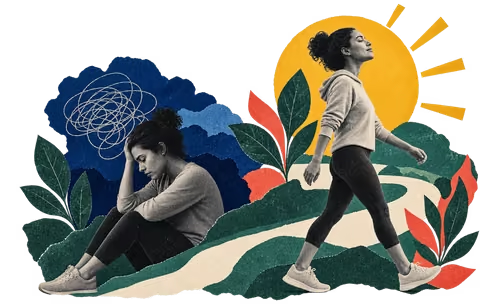
The review found fewer depression and anxiety symptoms with walking than in inactive groups. There was no firm advantage over other interventions.
physical activity; mental health; systematic review; meta-analysis.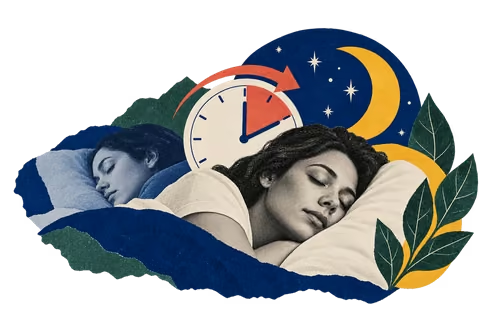
Researchers randomized 80 adults with overweight who slept little; those given advice to sleep more ate less over two weeks, according to an estimate.
sleep; diet; energy; randomized trial.
Among 3,101 adults in the United States followed for ten years, people who reached that level on some days had lower mortality. The study was observational.
walking; steps; mortality; cohort; cardiovascular health.
They continued walking more over the next six months, but keeping the app offered no advantage over stopping it.
digital health; steps; accelerometry; behavioral intervention; adult women.
Added to a program to sit less, across 24 workplaces and 630 employees. A combined metabolic-risk measure showed no firm change.
work; sedentary behavior; sit-stand workstations; cluster trial.
In Thailand, 30 older adults with hypertension were randomized. After eight weeks, systolic pressure fell more with grip exercises than with no-resistance gripping.
exercise; blood pressure; hypertension; older adults; randomized trial.
Among 761 Canadian adults with risky drinking, reported drinking fell with both versions. It fell somewhat more with the full version.
alcohol; digital health; behavior change; clinical trial; Canada.
In Spain, the group receiving nine sessions reported less stress and a better physical SF-36 subscale score than with usual care.
chronic pain; mental health; stress; clinical trial; Spain.
After four weeks, groups differed in some gut species, but most metabolic and inflammatory measures were similar.
microbiome; fermented foods; metabolism; controlled trial; digestive health.
Among people who completed the year and had valid data, systolic pressure fell modestly. Diastolic pressure showed no firm difference.
nutrition; aging; blood pressure; multicenter trial; Europe.
Gestational diabetes also showed no difference. 219 healthy, inactive pregnant women in Denmark were randomized to three groups.
pregnancy; exercise; gestational weight gain; maternal and infant health; randomized trial.
Everyone received patches and counseling; 392 adults were assigned to exercise or a wellness program, and similar proportions remained smoke-free.
tobacco use; exercise; behavior change; clinical trial; United States.
The advantage over the guide lasted through 24 weeks in 336 U.S. adults with confirmed insomnia.
sleep; insomnia; digital health; cognitive behavioral therapy; randomized trial.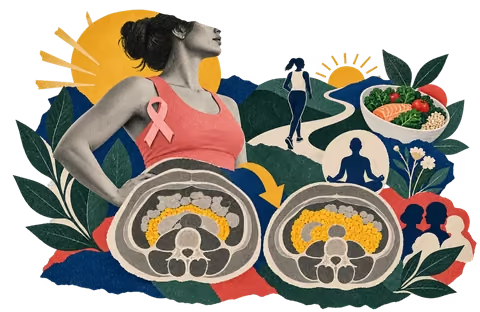
Among 95 women with breast cancer, the program group also improved more on a physical-capacity test at three months.
breast cancer; physical activity; nutrition; mindfulness; survivorship.
Among 33 adults with type 2 diabetes, those who trained remotely improved more on movement and sleep tests. Blood sugar did not differ.
type 2 diabetes; exercise; telehealth; physical fitness; sleep.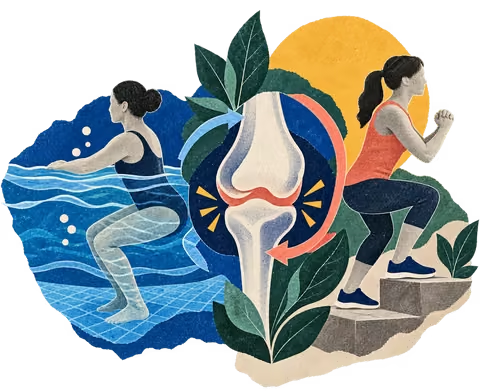
Among 30 women with knee osteoarthritis, the only between-group difference favored land exercise on a walking test.
osteoarthritis; rehabilitation; aquatic exercise; pain; mobility.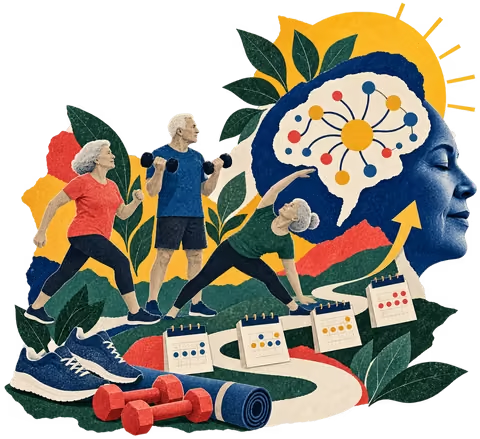
The advantage on the primary cognitive test appeared among those who started without difficulties. The comparison was not convincing among those with memory complaints.
aging; exercise; memory; attention; cognition.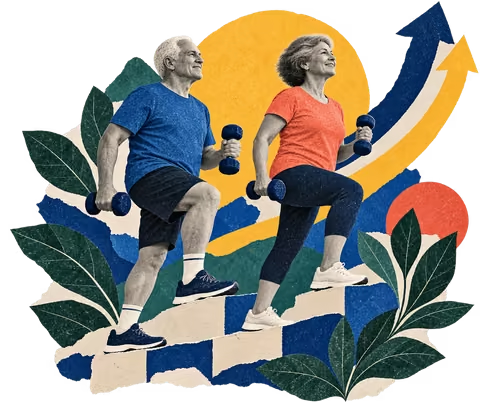
In older adults with overweight or obesity in Thailand, both groups improved on physical tests. Confidence increased more with the strategies.
aging; overweight; obesity; strength training; self-efficacy.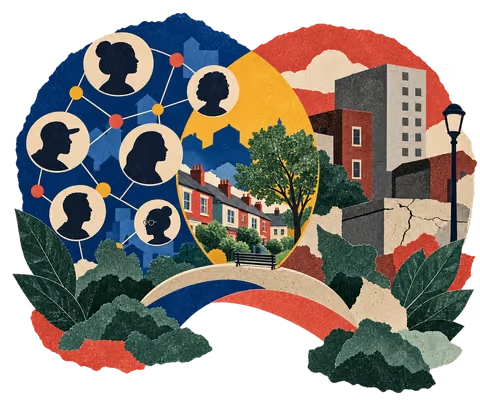
In Great Britain, after accounting for each area's material disadvantage, most negative associations weakened or disappeared.
ethnic diversity; religion; trust; material inequality; community
On Facebook, about half of that gap was associated with less exposure to one another. The other half was associated with fewer friendships forming when they did meet.
social capital; segregation; friendship; digital networks; economic mobility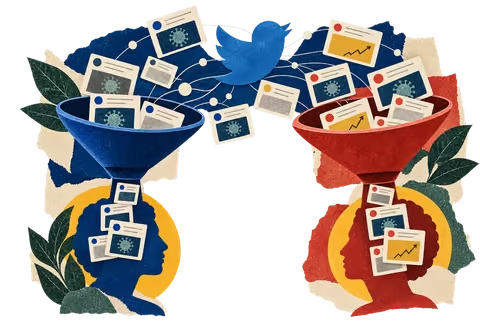
On U.S. Twitter, accounts' estimated political orientation aligned more with what they shared than with the reliability of the sites.
social media; polarization; COVID-19; retweets; news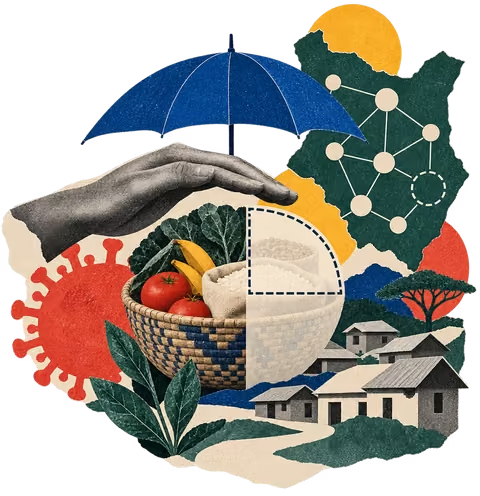
Among informal-economy households, there was no average change. In counties with restrictions, some estimates pointed to greater trust.
social protection; institutional trust; cooperation; COVID-19; East Africa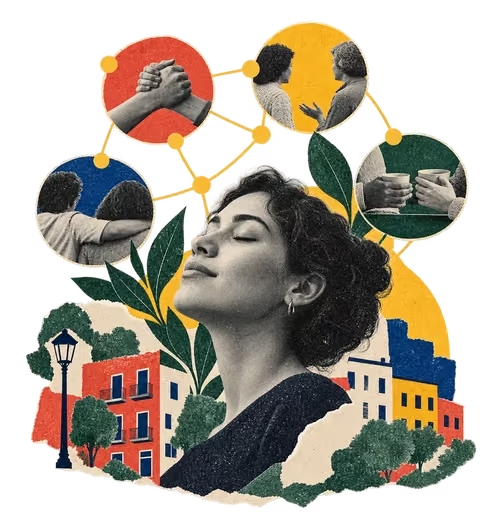
Across 40 disadvantaged London neighborhoods, more personal contact was associated with fewer symptoms, while civic participation was associated with more.
social capital; neighborhoods; London; mental health; neighborhood participation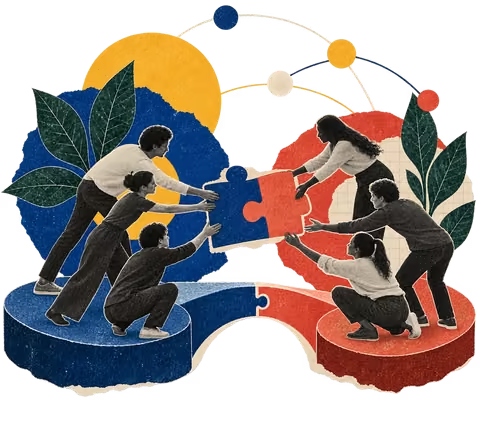
In a game with 366 people, cooperation across groups rose when cross-group meetings were assigned or chosen, although most people chose their own group.
cooperation; indirect reciprocity; experiment; social groups
Social support was higher in areas with initiatives. Models also associated both initiative categories with greater mental well-being.
older adults; social connection; community assets; Catalonia; local services
Almost half of those providing practical help were new contacts. Emotional support came mainly from family.
forced migration; Germany; practical support; companionship; personal networks
In surveys from Italy and 16 European countries, it also went along with greater trust in strangers. An experiment found no direct change.
perceived safety; public trust; multinational survey; experiment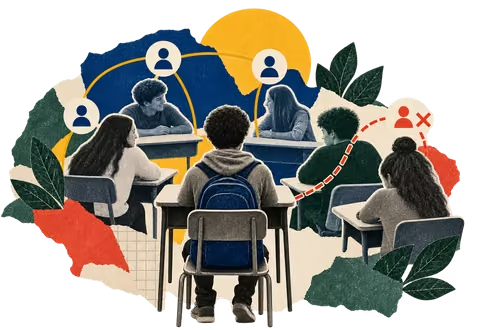
They also faced more rejections as desk partners: 31% versus 21%. Rejection was lower in more diverse classrooms.
friendship networks; school integration; Germany; adolescence; social climate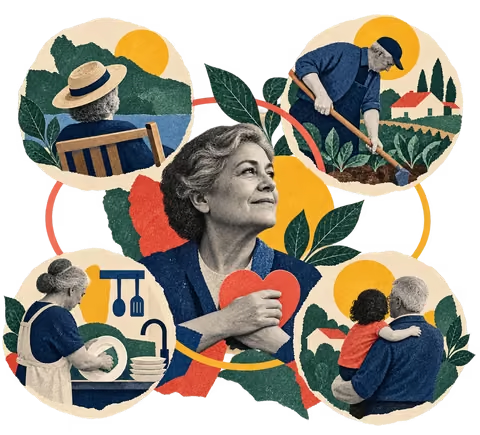
They reported what they had done the previous day and what financial and caregiving support they gave to or received from their children. The team then looked for patterns.
rural China; families; intergenerational support; domestic work; community participation
Across more than 2,700 US counties, they also recorded fewer deaths. Institutional trust showed no such link with infections.
neighbor trust; norms; COVID-19; counties; United States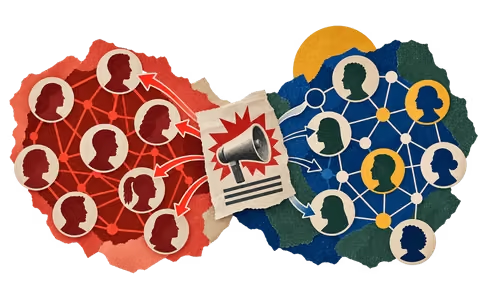
With more connections among like-minded people in artificial networks, over 70% saw congenial false messages. In integrated networks, just over 35% did.
misinformation; network experiment; ideology; diffusion
Close ties provided practical and emotional help, while outside contacts expanded available resources, according to three Colombian communities.
social capital; prevention; response; recovery; local governance
This pattern appeared among members of associations in a French town of about 2,000 residents. Among politicians, the standout factor was how much they participated.
voluntary associations; networks; civic participation; municipal politics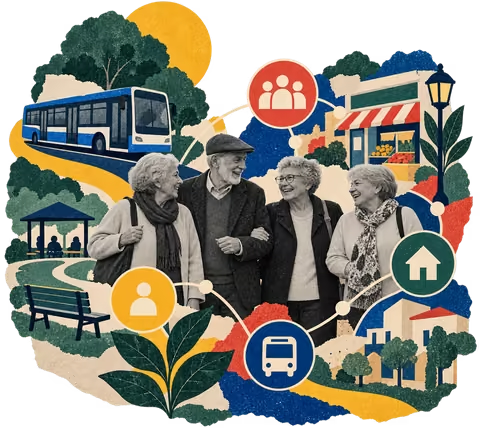
Shops, streets, and meaningful roles created opportunities to meet, according to accounts from 15 Australians aged 60 or older.
aging; community; public spaces; digital technology; local policy
Among 2,043 employees who had already received training, leaders’ support was also associated with believing that one’s own actions can make a difference.
diversity; organizational climate; workplace interactions; attitudes
Among 605 complete responses to an open survey in England, lack of funding was the most frequently cited barrier.
public space; social connection; community health; digital literacy
Biometric authentication also went along with greater stated willingness. The combination had the highest average, with no detectable interaction in usage intention.
voice assistants anthropomorphism biometrics human-computer interaction technology adoption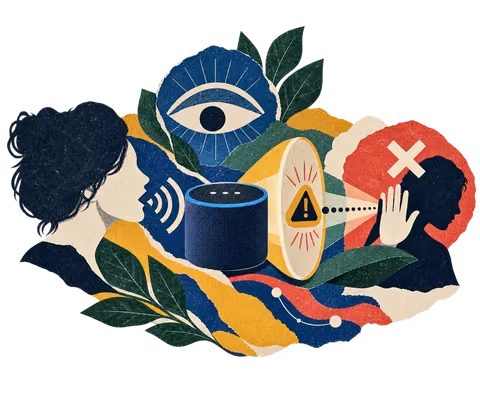
Among 419 people in China, perceived intrusiveness was not directly linked to resistance. A relationship appeared through perceived risk.
privacy perceived risk voice assistants technology adoption survey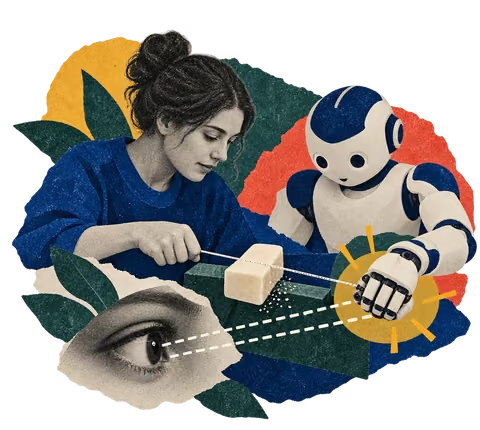
Thirty people helped a robot cut soap before an attention task. Among 22 others who did not collaborate beforehand, the pattern did not appear.
social robotics human-robot collaboration spatial attention perception experiment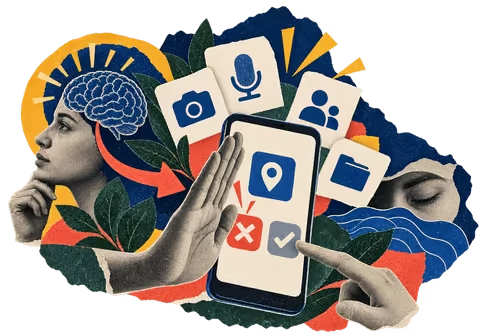
Some 26% rejected at least one privacy permission and 33% at least one security permission. For privacy, people who deliberated more rejected more often.
cyber hygiene privacy app permissions mobile security informational intervention
They completed 120 of 164 tasks in a Canadian funding database. After revisions, the second round rated it easier to use.
accessibility assistive technology user-centered design web usability Canada
In rural Chinese households, broadband coincided with greater access and use. With technical training, there was a favorable association with skills.
connectivity broadband digital divide rural infrastructure China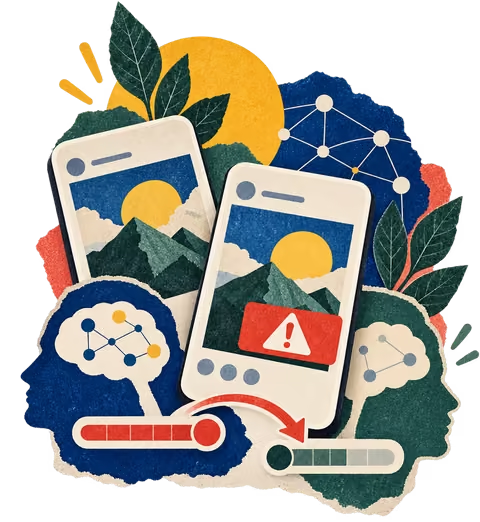
People who saw labels believed a misleading post less. Deception warnings also lowered some intentions to engage.
generative AI social media misinformation labeling experiment
When predicting students’ math performance, human oversight increased algorithm choice by 7 percentage points and slightly increased error.
automation human oversight decision-making experiment automation bias
Nearly 9,000 US adults used a YouTube-like platform with altered recommendations, and researchers measured their political attitudes.
YouTube recommendation systems political polarization naturalistic experiment digital media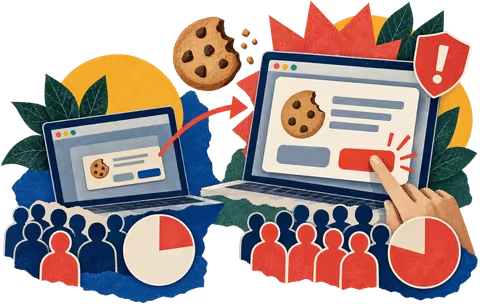
About 22% rejected cookies with the comparison notice. Greater visibility and a stronger threat each separately went along with more rejections.
information security notices visual design cookies online experiment
At a Dutch ministry, about one-third visited the test link without intervention. Informed or trained groups were 7 to 9 points lower.
cybersecurity phishing training field experiment organizational security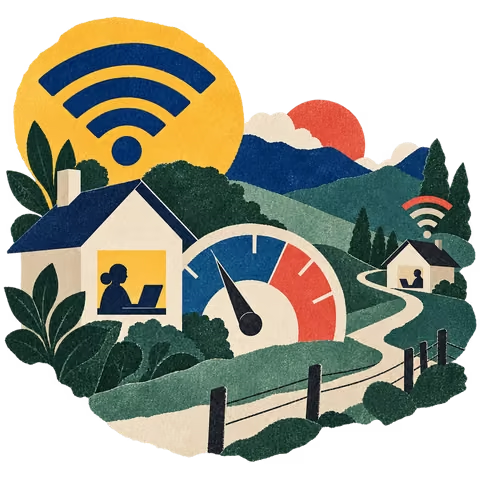
In rural British Columbia communities, people reporting less than 50 Mbps had fewer devices and watched less streaming content.
broadband digital divide infrastructure rural connectivity Canada
With fictional apps, choosing permissions went along with greater willingness to install the weather app, but not the messaging or puzzle apps.
mobile privacy permissions user control data security apps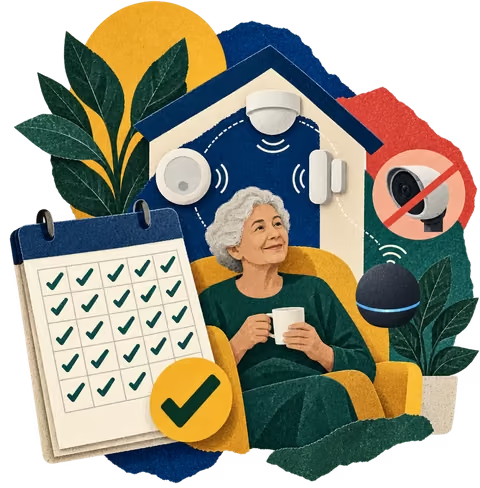
In the second phase, 19 of 22 older adults chose the smart speaker. Three of 22 chose the IP camera.
Internet of Things smart home aging sensors privacy
Sixteen people in a Bristol project described what mattered to their trust. Some had trouble recalling or understanding the consent information.
smart home privacy informed consent data qualitative study
Of 56 tasks, the mouse was fastest in 27, the touchscreen in 23, and the touchpad in six. The mouse had fewer errors in 32.
usability interfaces office software touchscreen adaptive design
Of 248 US adults, 137 used a manager and 111 did not. Users emphasized usefulness; others worried about concentrating all their passwords in one place.
authentication passwords usable security trust privacy
Among 68 Brazilian students who tested a simulated smart building, control and trust were linked through privacy awareness, not directly.
personal data store granular consent privacy connected sensors interface experimentNo readings match this search. Try another word or choose a topic.