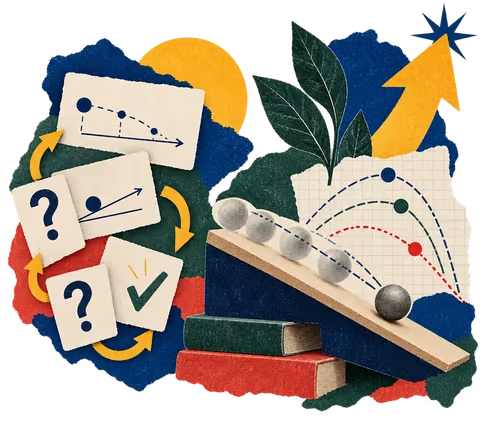
Moving while counting improved math, but other outcomes did not change.
Twelve Danish schools were randomly assigned: after nine months, improvement was greater in math. No change was seen in mental control, aerobic fitness, or weight.
The key idea
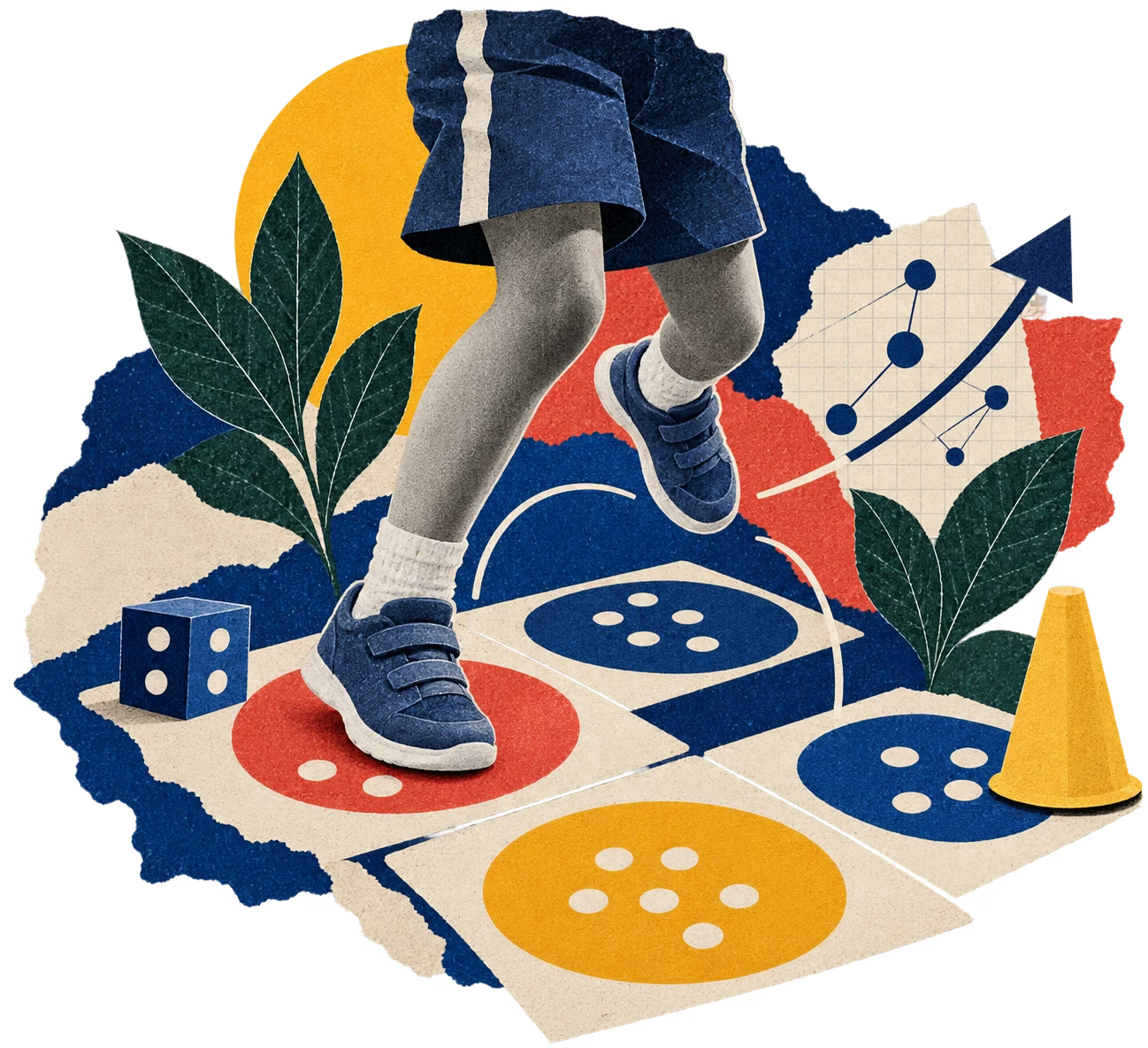
Adding movement to math exercises led to greater improvement on the math test, with no detectable changes in the other measures in the study.
The study, in plain language
Movement was built into the math exercises, such as counting or representing quantities. In Denmark, twelve schools were randomly assigned either to use this approach in first grade for nine months or to continue usual classes. A total of 505 children, around seven years old, took part.
Improvement on the math test was greater in classes that integrated physical activity. The tasks measuring mental control, aerobic fitness, and weight relative to height showed no detectable effect. The result therefore separates progress in the subject from changes in other abilities.
What they found
- Movement was part of math exercises, such as counting or representing quantities.
- Improvement on the math test was greater in classes with integrated physical activity.
- Mental control, aerobic fitness, and weight relative to height showed no detectable effects.
Something to think about
How much do we learn with our bodies before we learn with a notebook? Movement helped in math, but no change was seen in the other outcomes measured.
How they studied it
Twelve Danish schools were randomly assigned either to integrate physical activity into math classes or to continue usual classes for nine months. The study included 505 first-graders, around seven years old, and measured math, mental control, aerobic fitness, and weight relative to height.
What the study cannot show
- Teacher implementation follow-up was incomplete; some physical-activity measurements covered only short windows; a new math test was developed for the study; differences in physical education between municipalities meant randomization was stratified by municipality.
- The study does not show that any exercise improves math, that the intervention changes physical health, or that the effect will be replicated in other school systems without adaptation.
The original study
Classroom-based physical activity improves children’s math achievement – A randomized controlled trial
Source under CC BY 4.0. English adaptation and explanation by PaperFlow, with AI assistance. The text has been reorganized for a general audience; it is not the complete paper and does not imply endorsement by its authors.
One study alone does not represent a field's consensus. Educational content does not replace professional advice. Report a possible error.