Forest-rich playgrounds: greater variety in some skin bacteria
At four Finnish day-care centers with forest soil and lawn, a signal involved in regulating immune defenses also rose in the children.
The key idea
After one month, children at the playgrounds with forest soil and lawn had greater diversity in some groups of skin bacteria. This does not prove that allergies are less common.
The study, in plain language
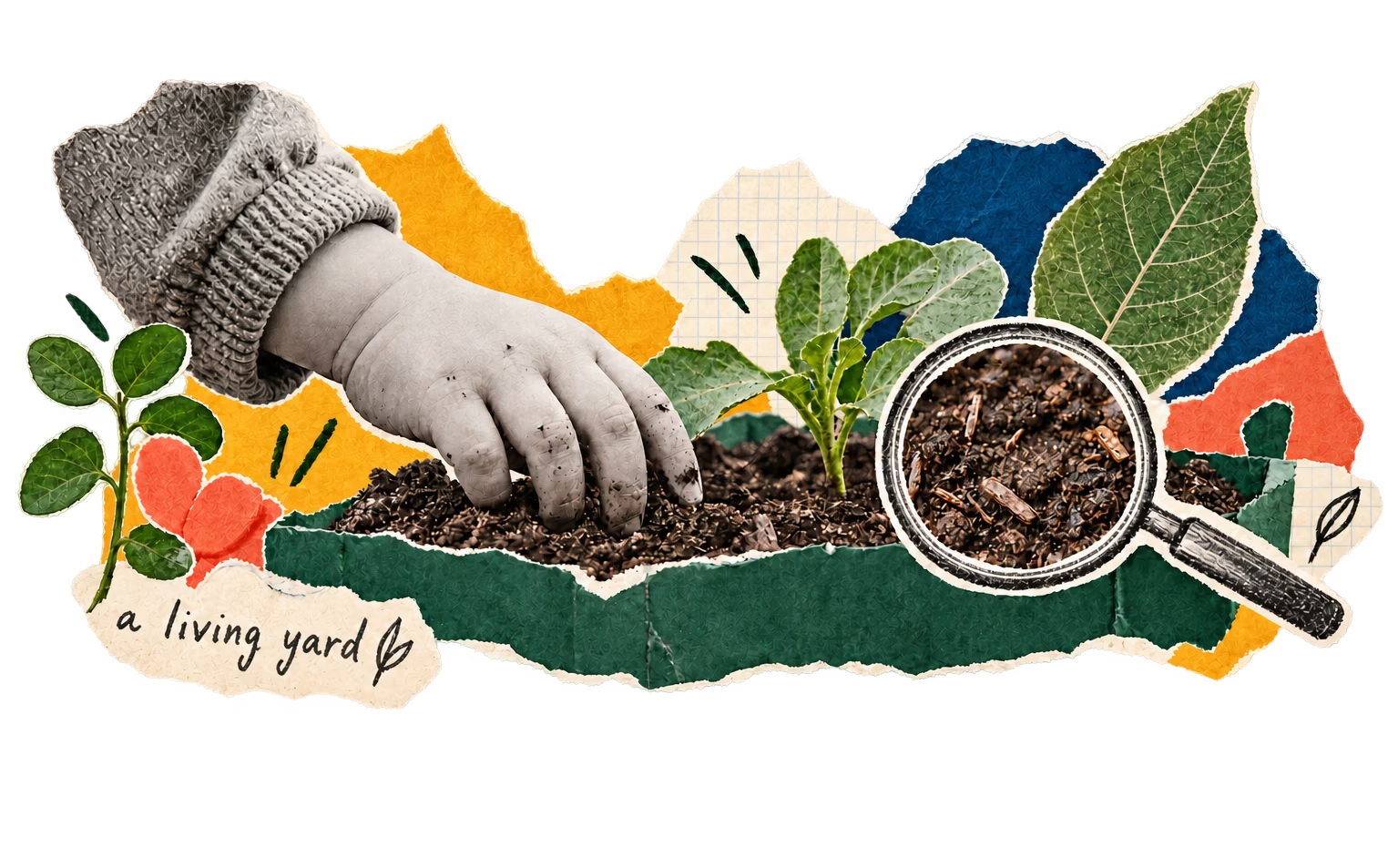
Children play on the ground in the playground, and that ground is full of microbes. A research team wanted to see what would happen if it changed. At four Finnish day-care centers, they added forest soil, lawn, and places to grow plants. For comparison, they looked at typical urban centers and others that visited a forest every day. They sampled the playgrounds and, before and after four weeks, the children’s skin and blood.
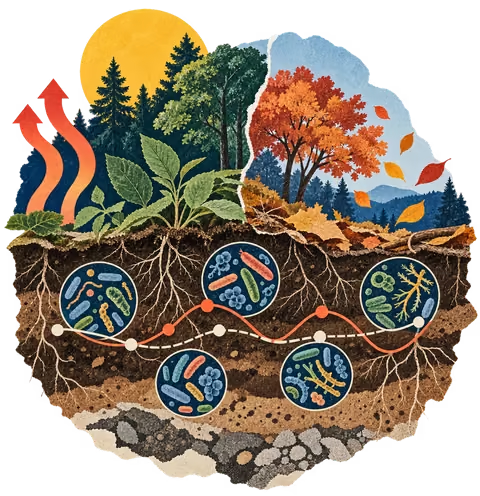
The modified playgrounds ended up with more diverse soil bacteria than the usual playgrounds. On the children’s skin, some groups of bacteria were also more diverse at the end of the period. These changes coincided with blood signals linked to immune regulation: one rose at the modified centers, while no such change was seen in the comparison groups. But follow-up lasted one month, the centers were not assigned at random, and no one measured allergies or illnesses.
What they found
- Playgrounds with forest soil and lawn ended up with more diverse soil bacteria than typical playgrounds.
- After four weeks, some groups of skin bacteria in the children were more diverse than at typical centers.
- These differences coincided with blood signals linked to immune regulation; the study did not measure whether allergies became less common.
How they studied it
The team followed 75 children ages 3 to 5 at ten Finnish day-care centers: four with modified playgrounds, three typical centers, and three nature-oriented centers. They sampled skin bacteria and blood before and after 28 days. The centers were not assigned at random.
What the study cannot show
- The centers were not assigned at random, so other differences between the groups may also have influenced the results.
- The intervention lasted four weeks and measured microbes and immune signals. It did not record diagnoses, allergies, or illnesses, so the biological changes do not demonstrate a reduction in disease.
Something to think about
When you look at a day-care playground, do you think of the ground as something that touches children’s skin? This study measured that for one month, but did not establish whether it matters for their health.
The original study
Biodiversity intervention enhances immune regulation and health-associated commensal microbiota among daycare children
Source under CC BY 4.0. English adaptation and explanation by PaperFlow, with AI assistance. The text has been reorganized for a general audience; it is not the complete paper and does not imply endorsement by its authors.
One study alone does not represent a field's consensus. Educational content does not replace professional advice. Report a possible error.