
Reappraisal and distraction eased feelings similarly, but with different patterns of attention
Twenty-five students viewed unpleasant photos. Both strategies reduced negative emotion, while pupils dilated more during reappraisal.
Sleep, memory and attention come up in many conversations, but studies do not all measure them in the same way. This collection brings together research to explore those questions more closely.
A memory test, a sleep recording and a brain image describe different things. Each reading separates the study's measurements from possible explanations and claims the evidence cannot support. This is educational content, not a way to diagnose sleep or memory problems.
Twenty-five students viewed unpleasant photos. Both strategies reduced negative emotion, while pupils dilated more during reappraisal.
Students searched for letters on a screen while phone-like or control tones played. There were no more errors, but a brain signal changed.
Of 28 people who reached the second sleep stage, 24 found the rule; among 18 who stayed awake, 10 did.

After learning 50 images in sequence, brain activity revealed the next image’s category. Nap rhythms were associated with that signal.
In 26 well-rested adults, slow waves appeared before mind wandering or blanking out; their locations coincided with different errors.
Future scenes felt more vivid with rewarded words than with new words. With neutral words, the difference was smaller.
Using chess, text, and drawings, the models filled in missing details with what they had learned. This was a simulation, with no new participants.
In three online experiments, a larger reward did not appear to improve memory for a figure’s orientation. Remembering more figures did make it harder.

Young Arabic speakers improved in German during an intensive course in Leipzig, while some brain connections increased and another decreased.
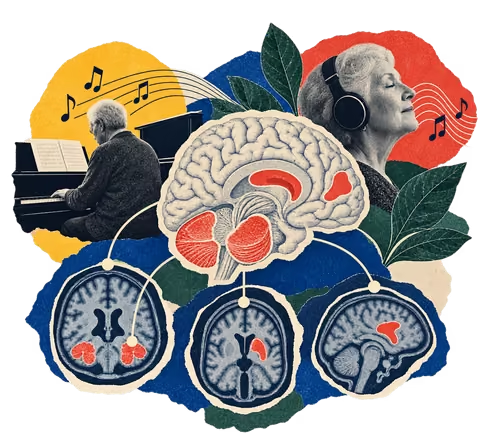
Across both groups, healthy older adults remembered tones better after six months. The brain showed local changes and a more general reduction.
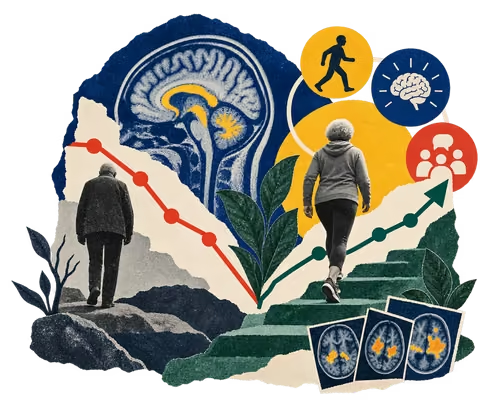
Older adults with mild cognitive impairment were randomly assigned. The program group improved on a memory-and-thinking test while the routine group declined.
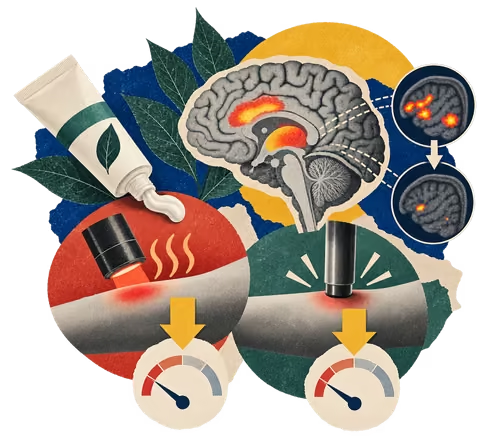
Nearly 400 people reported less pain from heat and pressure. One brain measure fell, while another, more closely tied to pain signals, did not.
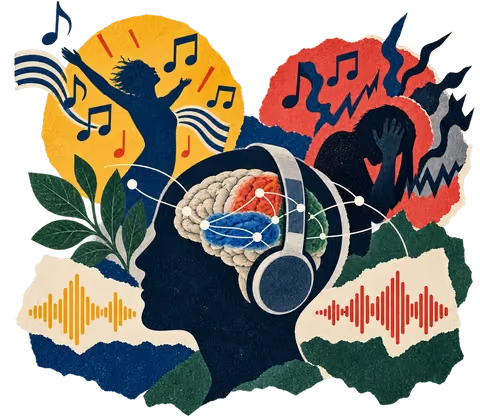
As 24 young adults listened to music in a scanner, auditory signals coincided with those from areas linked to emotion, vision, and movement.
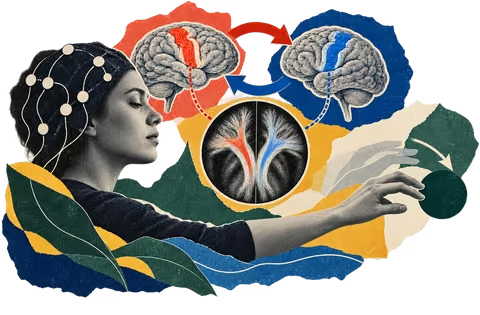
Using a visual display, 20 people tried to direct their brain signal in opposite directions. The next day, one pathway between the two sides showed a localized change.
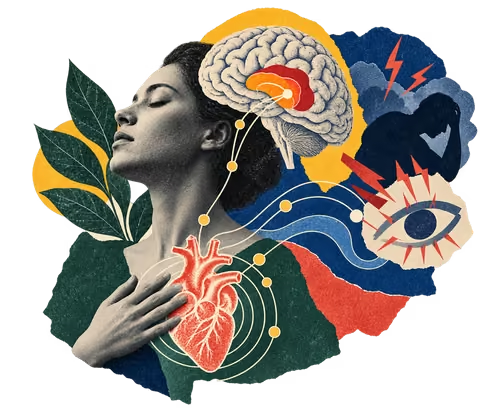
Healthy students attending to their hearts showed responses in three parts of a brain region. With unsettling situations, the response appeared in just one.

Adults estimated video durations. A program that added up image changes reproduced some of those trends, but not every estimate.
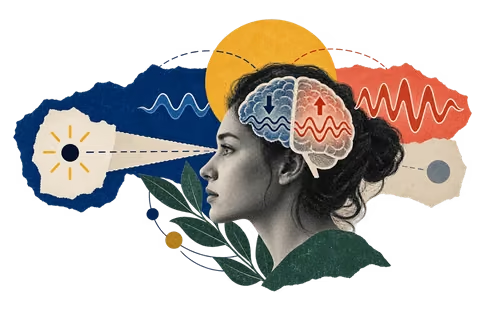
In 33 healthy adults, this rhythm coincided with size differences between the two sides of two deep brain structures.

Young adults felt more certain about their memories after making a choice themselves than after watching someone else choose. Overall accuracy was similar.
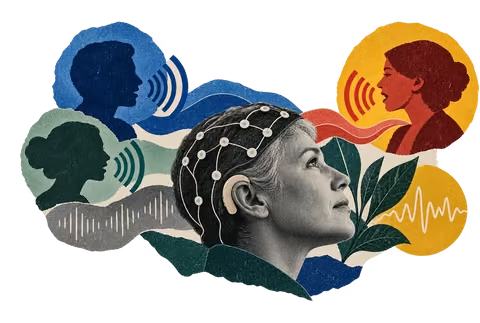
Two analyses distinguished the attended voice in 31 hearing-aid users. The newer one reduced a distortion in the coherence measure.
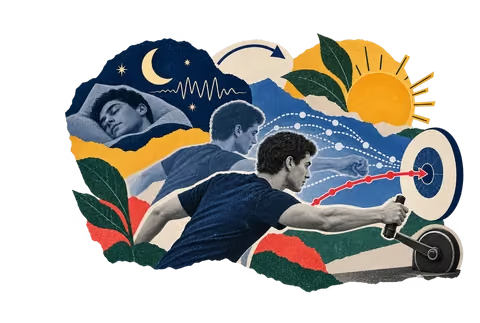
Among 48 healthy men, those who alternated conditions performed better later and with the other hand. Sleep showed no advantage over staying awake.