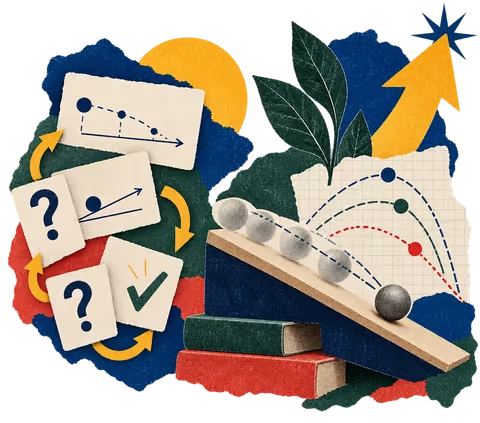
An online course on learning math improved scores
In California middle schools, the average student in classes taking the course scored higher than 63% of the group scheduled to receive it later.
The key idea
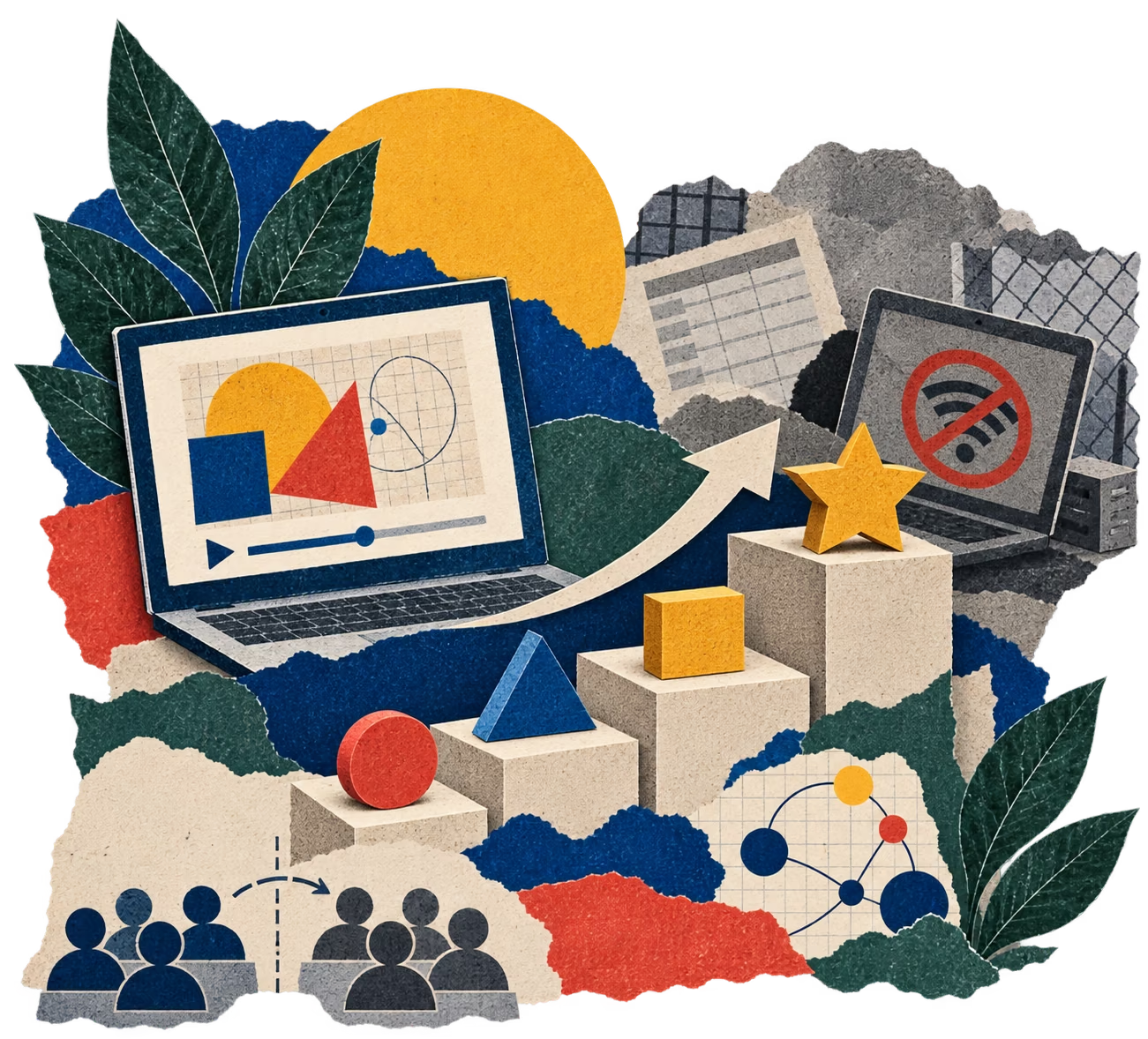
Classes that took the online course did better on a math test than classes scheduled to receive it later.
The study, in plain language
The course invited students to see math as accessible, creative, and learnable. It used short videos, reflection, and math assignments during class.
Each teacher’s classes were randomly assigned to start the course or receive it later. On the SBAC standardized test, the group that took it first did better than the group scheduled to receive it later. Students’ views of math were measured separately, with fewer responses than for the test scores.
What they found
- The course presented math as accessible, creative, and learnable.
- Classes that received the course first did better on the standardized test.
- Students’ views of math were measured separately, with fewer responses than the test scores.
Something to think about
How do you talk to yourself about math: is it something you are good at, or something you can learn? That message was part of a package with videos, reflection, and assignments, and the contribution of each part is unknown.
How they studied it
In a trial with classes randomly assigned, 14 teachers at California middle schools took part with their classes, which either started the course or received it later. The analysis included 1,090 students and their scores on a standardized math test.
What the study cannot show
- Considerable attrition due to access problems, accounts, firewalls, and missing state data; the study took place in California; teachers knew which classes received the course and assessed some participation; sample sizes varied across models.
- The study does not show that any MOOC increases learning, that belief changes were the causal mechanism, or that the effect would appear in other courses, education systems, or populations.
The original study
Changing Students Minds and Achievement in Mathematics: The Impact of a Free Online Student Course
Source under CC BY 4.0. English adaptation and explanation by PaperFlow, with AI assistance. The text has been reorganized for a general audience; it is not the complete paper and does not imply endorsement by its authors.
One study alone does not represent a field's consensus. Educational content does not replace professional advice. Report a possible error.