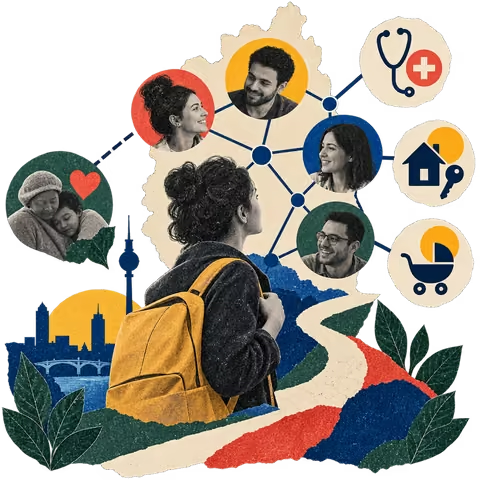
Older adults had more social support in areas with community initiatives
Social support was higher in areas with initiatives. Models also associated both initiative categories with greater mental well-being.
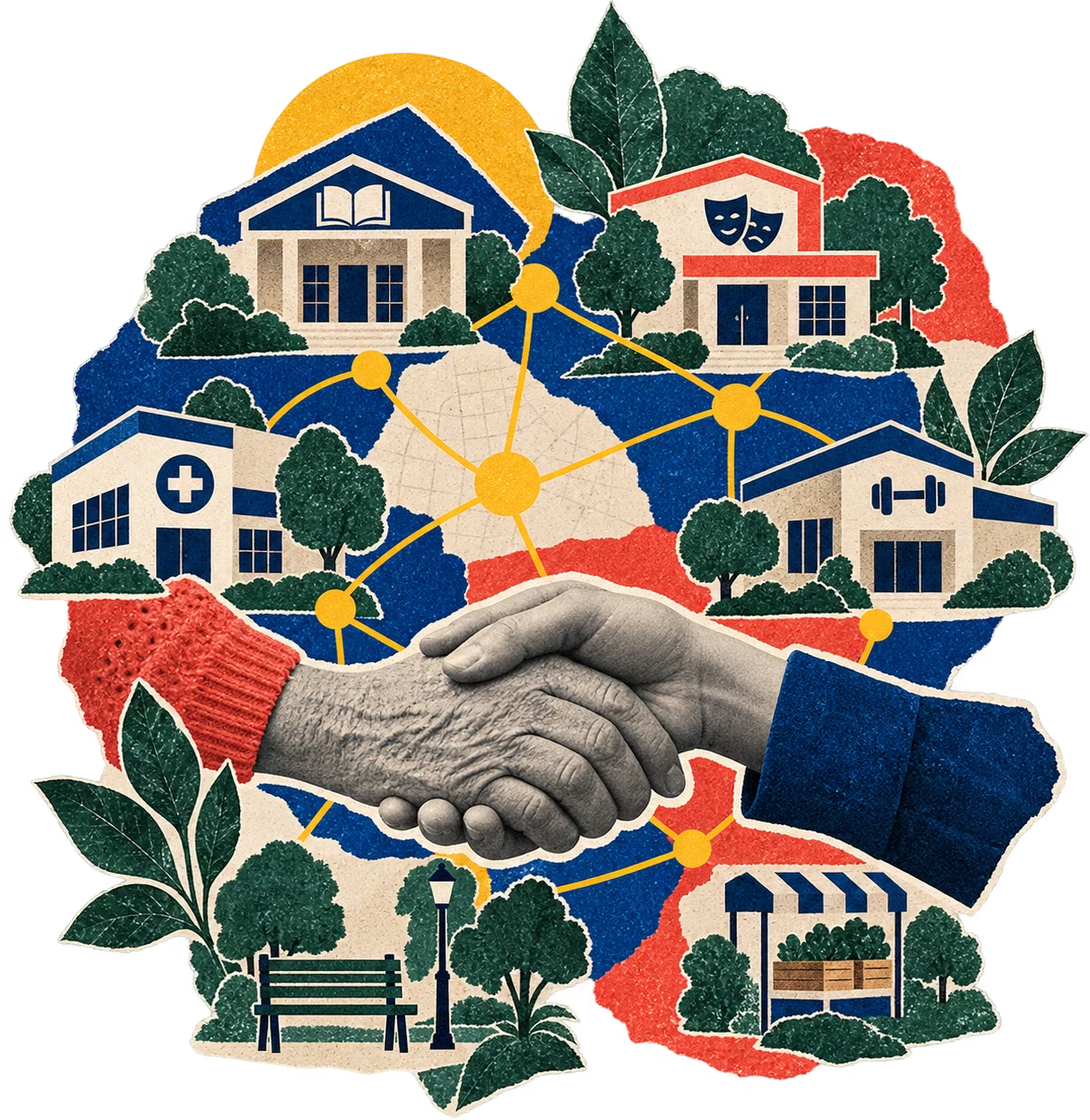
The key idea
Areas with initiatives were associated with more social support, and mental well-being estimates were higher in both initiative categories, with a larger estimate where initiatives were more common.
The study, in plain language
A community activity can create an opportunity to meet others. The team combined five years of Catalonia’s health survey, from 2017 to 2021, covering 6,011 people aged 60 or older who did not live in institutions, with 2,312 community initiatives recorded across 31 health sectors.
People in areas with initiatives reported more social support than those in areas without them, both where there were fewer initiatives and where there were many. For mental well-being, adjusted models associated higher scores with both 1 to 15 initiatives per 10,000 residents and more than 15. The estimate was higher in areas with more than 15. Support and well-being showed similar associations with the local environment, with that difference in degree. Although five years of surveys were combined, the same people were not followed over time, and the design cannot show whether the initiatives caused these differences.
What they found
- Older adults in areas with initiatives reported more social support than those living in areas without them.
- Mental well-being scores were also higher in both initiative categories, with a larger estimate where there were more initiatives.
- Social support was higher both where few initiatives were recorded and where many were recorded.
Something to think about
Think about your neighborhood: what places or activities bring people together? The study shows what went together, not that the initiatives produced support.
How they studied it
The team combined five years of the Catalonia Health Survey, from 2017 to 2021, with a registry of community initiatives across 31 health sectors. They included 6,011 people aged 60 or older who did not live in institutions and compared social support and well-being by the initiatives in each sector. These were independent cross-sectional survey waves, not follow-ups of the same people, so the design shows associations and does not prove that initiatives caused the outcomes.
What the study cannot show
- The number of initiatives alone does not tell us about their quality, use, or reach.
- Other neighborhood characteristics may also influence people’s responses.
The original study
Mobilizing community health assets through intersectoral collaboration for social connection: Associations with social support and well-being in a nationwide population-based study in Catalonia
Source under CC BY 4.0. English adaptation and explanation by PaperFlow, with AI assistance. The text has been reorganized for a general audience; it is not the complete paper and does not imply endorsement by its authors.
One study alone does not represent a field's consensus. Educational content does not replace professional advice. Report a possible error.